Burke Mountain, Coquitlam
Scrap Car Removal in Burke Mountain
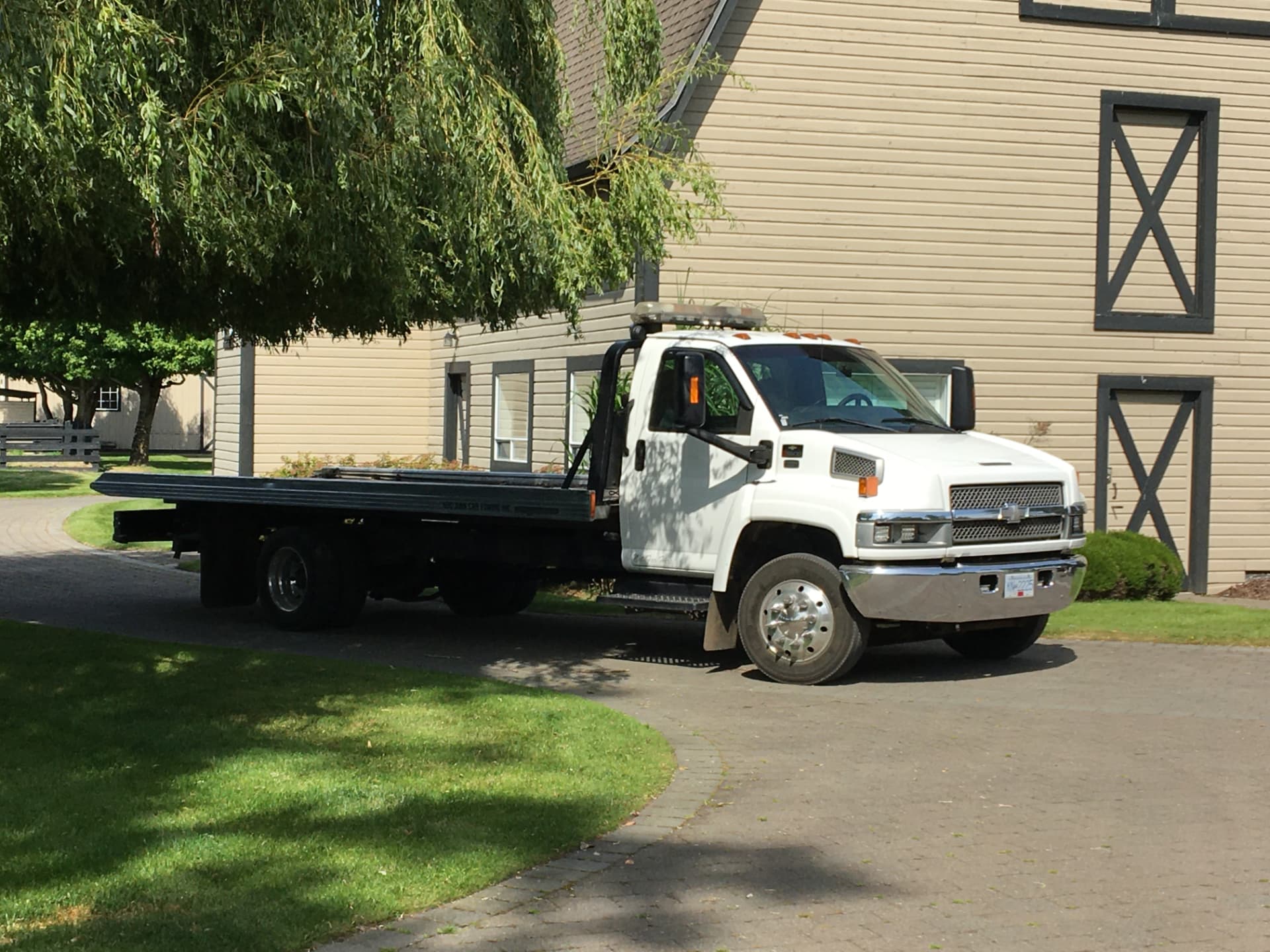
Yes, we collect cars that cannot reverse uphill from Burke Mountain driveways. Jay's team uses winch loading to bring a non-running or transmission-damaged vehicle toward the truck. Send the driveway orientation, wheel direction and a wide view of the approach, and we will organize the loading from its existing position.
We collect nonrunning cars, vehicles with no keys and cars that cannot reverse to the truck. Our team uses winch loading to control the move from the parked position. Jay's is family-run, Canadian-owned, licensed and insured, with more than 30 years of Lower Mainland experience. Complete vehicles we buy include free towing.
The City of Coquitlam identifies sloping terrain in its Burke Mountain development planning. Your driveway's shape still matters more than a general neighbourhood description: show us where the car sits, how the grade changes and where the truck can approach. We build the pickup around those details, not around an assumption that every hillside property is the same.
What should I say if the car cannot reverse uphill?
Start with the actual limitation: the car starts but reverse will not move it uphill, or the engine does not run at all. Say whether forward movement is possible, without testing it again. A transmission problem and a vehicle that cannot start create different loading questions, even when both are sitting in the same position.
Describe whether the front or rear points toward the street and whether the car is above or below the likely truck position. Mention any recent slipping, unexpected movement or unusual braking. You do not need to diagnose the fault. A clear account of what you already know is more useful than a guessed repair.
Which driveway photos help the team assess the slope?
From a safe standing position, photograph the whole car and the driveway approach. Include the transition between the driveway and street, nearby retaining edges, gates and the space beyond the vehicle. A close picture of the bumper alone cannot show the route the car would need to travel.
A side view helps show how the grade changes between the parked car and the truck approach. Include the street transition and any level section where the truck can line up. Photograph from a normal standing place and leave the car where it is. We combine those views with the reversing fault to choose a controlled loading sequence.
For a curved driveway, show the bend and explain whether the car is before or beyond it. Our team looks at the available path for the wheels, the space around the body and the truck's approach. Label a shared entrance if there is one so we can discuss the working area with the right route in mind.
Should I try to get it down to the street first?
No. Do not release the parking brake, select neutral or ask neighbours to push a disabled vehicle down a slope for collection. Keeping it stationary avoids turning a removal appointment into an uncontrolled movement. There is no need to prove that it rolls before you request a quote.
Our team handles the controlled movement and winch loading. Tell us what you know about park, the brakes and wheel direction while leaving the vehicle in its current position. Keep the working area clear for arrival. We can assess a car that does not roll freely without asking you to test it on the slope.
How much room matters beyond the parked car?
The assessment includes the truck's approach and working space, not just the width beside the doors. Describe parked cars, fence corners, overhanging branches and any sharp change of direction. Mention whether another vehicle normally occupies the lower part of the driveway or blocks the entrance.
We will explain the working space needed for the car's route to the deck. If another household vehicle occupies the lower driveway, arrange for its driver to park elsewhere during collection. Tell us about an adjacent shared entrance and its usual traffic, and we can plan the appointment to keep that access organized as the vehicle is loaded.
What information establishes the purchase quote?
Give the year, make, model and known condition, then explain the reversing problem and slope. Tell us whether the car has its engine, transmission and wheels. Complete vehicles we buy include free towing; a vehicle missing major parts needs a specific discussion rather than an assumption that the same offer applies.
Disclose flat tyres, damaged suspension, locked steering or brakes that may be stuck. These details affect both the vehicle description and loading assessment. Confirm the quoted amount and agreed access conditions before booking. If you later remove parts or the parking position changes, contact the team before the truck is dispatched.
For winch loading, knowing whether the wheels roll and the steering moves helps us choose the approach. No keys does not rule out collection, and neither does a failed engine or reverse gear. Tell us those details together with the grade. Our team can then prepare for the actual vehicle rather than expecting a driveable car at the entrance.
Can collection fit around a shared household driveway?
Explain which family vehicles need to leave and when the entrance is busiest. A useful pickup window leaves room for the team to work without another driver needing to squeeze past. Arrange for vehicles blocking the agreed approach to be moved by their own drivers before the appointment.
Do not move the scrap car to create that space. Keep the plan focused on clearing movable obstacles around it. If a household member is providing access while the owner is elsewhere, tell the team in advance so attendance, permission and the person handling the sale are settled separately.
What should be ready without disturbing the car?
Have the registration and government photo ID ready, and tell us if the paperwork is missing or the vehicle belongs to someone else. Our BC documents guide covers usual preparation; ICBC or an Autoplan broker can confirm requirements for your circumstances. Keep the documents with the person meeting our team rather than inside the car. Owner attendance is preferred; our team handles the normal transfer paperwork at the meeting.
Remove personal belongings only when they are safely accessible without changing the vehicle's position. Do not lean under it or work on the downhill side to prepare it. The team brings tools and removes the plates; you retain them. Mention awkward plate access so nobody needs to improvise on the slope.
How do I confirm a Burke Mountain pickup?
Call 604-889-4470 with the vehicle details and a plain description of the slope. Jay's Junk Car Towing is open Monday to Saturday, 8:30am to 7pm, and closed Sunday. Ask about available collection windows instead of assuming a particular day or immediate arrival.
At arrival, point out the original parking position and the approach shown in your photos. Our team checks the grade, wheels and space around the car, then handles the winch and movement. Keep the available keys with you so they are ready when needed. You can meet from the level working area while we manage the vehicle on the slope.
Ask any remaining access questions before confirming the appointment, not while loading is beginning.
What else should you know about pickup in Burke Mountain?
Does a failed reverse gear mean I have to repair the car first?
No. We can use the winch to load a car that cannot reverse uphill. Tell us which way it faces, whether it rolls or steers and how the driveway slopes. We plan collection around that position without asking you to repair the transmission.
Can you collect it if the engine is dead and the keys are missing?
Yes. We collect nonrunning vehicles without keys. Mention locked steering, park and any stuck wheels you know about when sending the driveway photos. Our team plans the loading equipment and approach, and agrees the handover arrangements with you before pickup.