Cape Horn, Coquitlam
Scrap Car Removal in Cape Horn
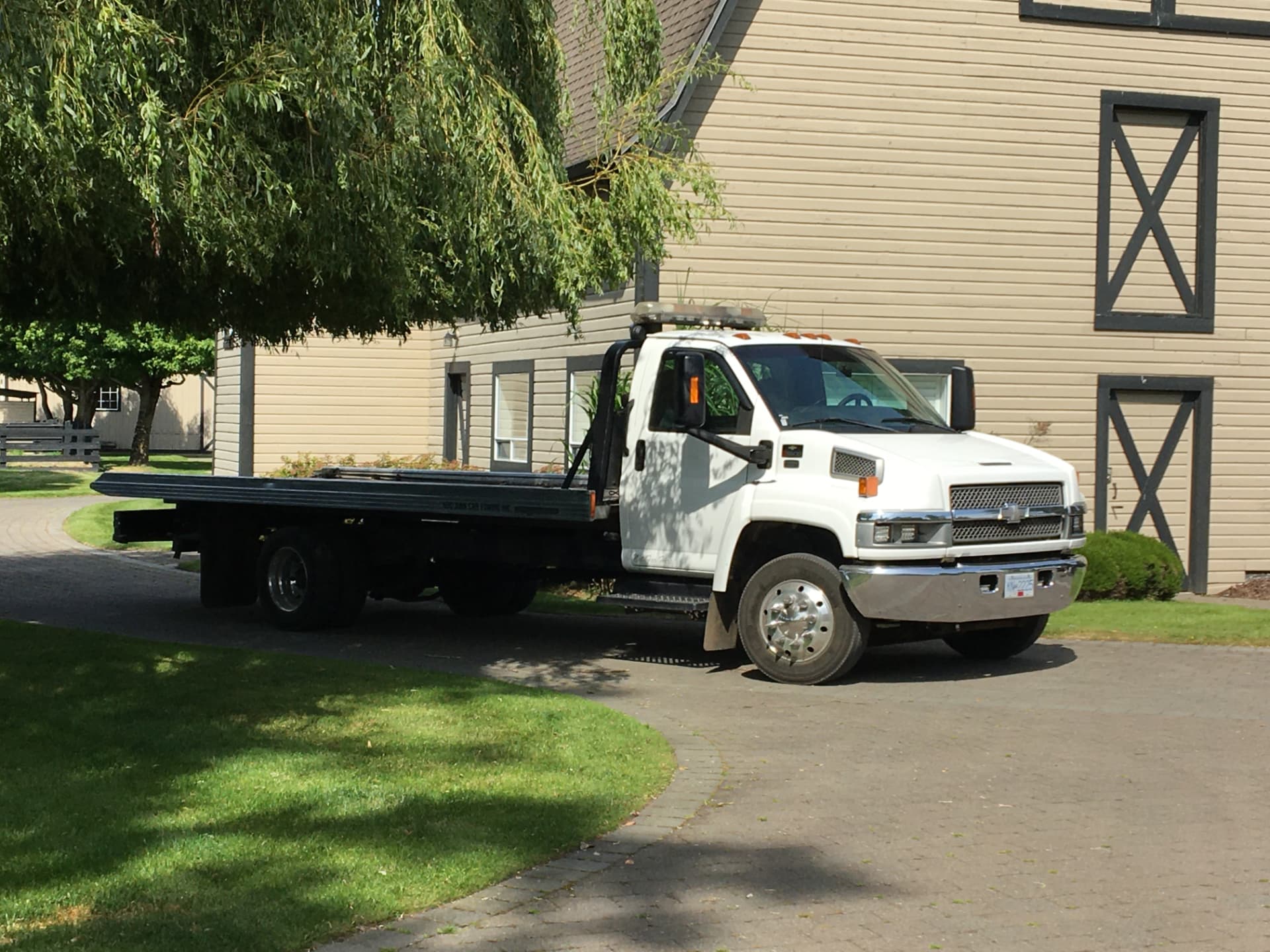
A retired work van can be ready to leave while the shop around it is still busy. Jay's team collects non-running cars and vans, including vehicles with missing keys, and coordinates loading with the people working at the premises. Tell us the vehicle's position and the hours when it can be released so we can build the appointment around the actual site.
Cape Horn combines housing, commercial activity and light industrial uses, with some light industry along Schoolhouse Street. That makes the distinction between a home driveway and a working yard useful when arranging collection. Jay's Junk Car Towing is family-run, Canadian-owned, licensed and insured, with more than 30 years in the Lower Mainland. Complete vehicles we buy include free towing. We confirm the purchase offer and loading arrangement before booking, whether the vehicle is at home or a repair shop.
Is the vehicle at a home, workplace or repair shop?
Identify the type of premises and the entrance that reaches the vehicle. At a shop, tell us whether it is in a customer parking space, rear yard or area beside a loading bay. At home, describe the driveway and any shared approach. This gives us the right starting point for truck positioning and the arrival instructions.
Provide the site contact's name or role and the hours when the gate and vehicle are available. For a repair shop, distinguish reception hours from the actual release window. Include any overhead restriction or access route through the yard. We can then coordinate the person meeting us with the equipment and space needed for collection.
What does the team need to know about an old work van?
Give the year, make, model and body configuration, including roof height, racks or other fitted equipment. Tell us why it was retired and whether it has known brake, steering or tyre problems. We collect vans with failed engines and flat batteries, so a working engine is not required for loading. Current photos help us assess the vehicle as presented.
Separate fitted equipment from the contents you want to retain. Arrange to remove loose tools, stock, customer materials and business records before handover. Discuss shelving or other equipment you plan to take out before we settle the offer. A clear account of what stays with the van keeps the purchase description consistent from the first call through collection.
Who gives permission for collection from a shop?
Ask the shop for the release contact, the release hours and the entrance to use. Settle any outstanding release arrangements directly with that contact, then pass the practical details to us. A booking works best when the person opening the yard knows which vehicle is leaving and when the team is expected to arrive.
If repairs or diagnosis are ending before pickup, confirm what condition the vehicle will be in afterward. Tell us about parts removed during that work and where the vehicle will be parked. Agree who will move any cars blocking it. These steps turn a general instruction to collect from the shop into a specific route and handover plan.
How can pickup avoid interrupting deliveries?
Ask the site contact which periods leave the receiving area and working route clear. Give us that window along with the time needed for staff to release the vehicle. We can review scheduling around those facts and identify a loading position that fits the site's usual movements, including customer arrivals and outgoing service vehicles.
Keep the collection instructions short and practical: entrance, vehicle position, site contact and release window. If a delivery uses the same space, arrange the order with the site contact. Where a separate working position is available, send a photo so we can assess it. Update us if the schedule changes so everyone follows the revised arrangement.
What should photos show at a busy business site?
Show the vehicle, the correct entrance and the route between them. Include nearby parked vehicles, gates, overhead structures and the space at the proposed loading position. A wide view is useful for a long or high-roof van because it shows how its size relates to the yard and the truck approach.
Take the pictures from safe, accessible positions and keep customer details or private paperwork out of frame. At a home pickup, show the driveway entrance and the area around the car in the same way. Mention anything hard to see in a photo, such as a gate closing early or a loading area used for storage later in the day.
How are missing parts and towing addressed in the offer?
Complete vehicles we buy come with free towing. Tell us about missing engines, transmissions, wheels or other major components, using the vehicle's current condition rather than its arrival condition at the shop. We review that information together with the access photos and confirm the purchase amount and loading arrangement before the appointment is booked.
Our team can winch-load a non-runner and plan equipment for missing keys, locked steering, flat tyres or stuck brakes. Leave vehicle movement to us after the route has been reviewed. At collection, we check the vehicle position, establish the loading path and secure it for transport. There is no need to arrange repairs simply to get it onto the truck.
Who handles company ownership, plates and personal items?
Have ID and registration ready, and identify the authorized seller if the vehicle belongs to a company. Raise missing papers, estate authority or a different registered name when booking; our BC documents guide and ICBC or an Autoplan broker can help with specific requirements. We remove the plates with our tools, and the owner retains them. Owner attendance is preferred; our team handles the normal transfer paperwork at the meeting.
Allocate contents removal to someone who knows what belongs to the business. Check under seats, storage lockers and rear compartments for tools, records and stock, then confirm what equipment remains with the van. If branding or business identifiers need attention, discuss that before handover. Keep the final keys and the contact phone available for the collection meeting.
What makes a Cape Horn booking ready to confirm?
Call 604-889-4470 Monday to Saturday, 8:30am to 7pm; Sunday is closed. Have the vehicle details, site photos, release contact and available hours ready. We can then review the offer and loading plan with the actual site window in mind, rather than sending the truck to reception while the vehicle remains inaccessible elsewhere.
Before the visit, confirm that the shop contact knows the appointment and the agreed route is clear. Keep one person responsible for updates if the gate hours, vehicle position or repair status changes. On arrival, we meet the contact, review the vehicle and complete the agreed handover before loading. For a home-based business, use the same clear division between driveway access and business scheduling.
What else should you know about pickup in Cape Horn?
Can you remove a work van that no longer runs?
Yes. We collect non-running vans and use winch loading where appropriate. Give us its size, current condition and position, including any missing keys or stuck wheels. We plan the equipment and approach around those details and the site's release hours.
What if the shop closes before I finish work?
Tell us the shop's actual release hours and who can meet the team there. We can discuss a collection window with that contact and the agreed seller arrangements. This lets you coordinate the handover without relying on reception being open later.
Should I remove business branding first?
Mention any branding you want addressed before settling the handover. Arrange removal of identifiers you intend to keep private and clarify which fitted equipment stays. This keeps preparation separate from loading and gives the team an accurate vehicle description.